
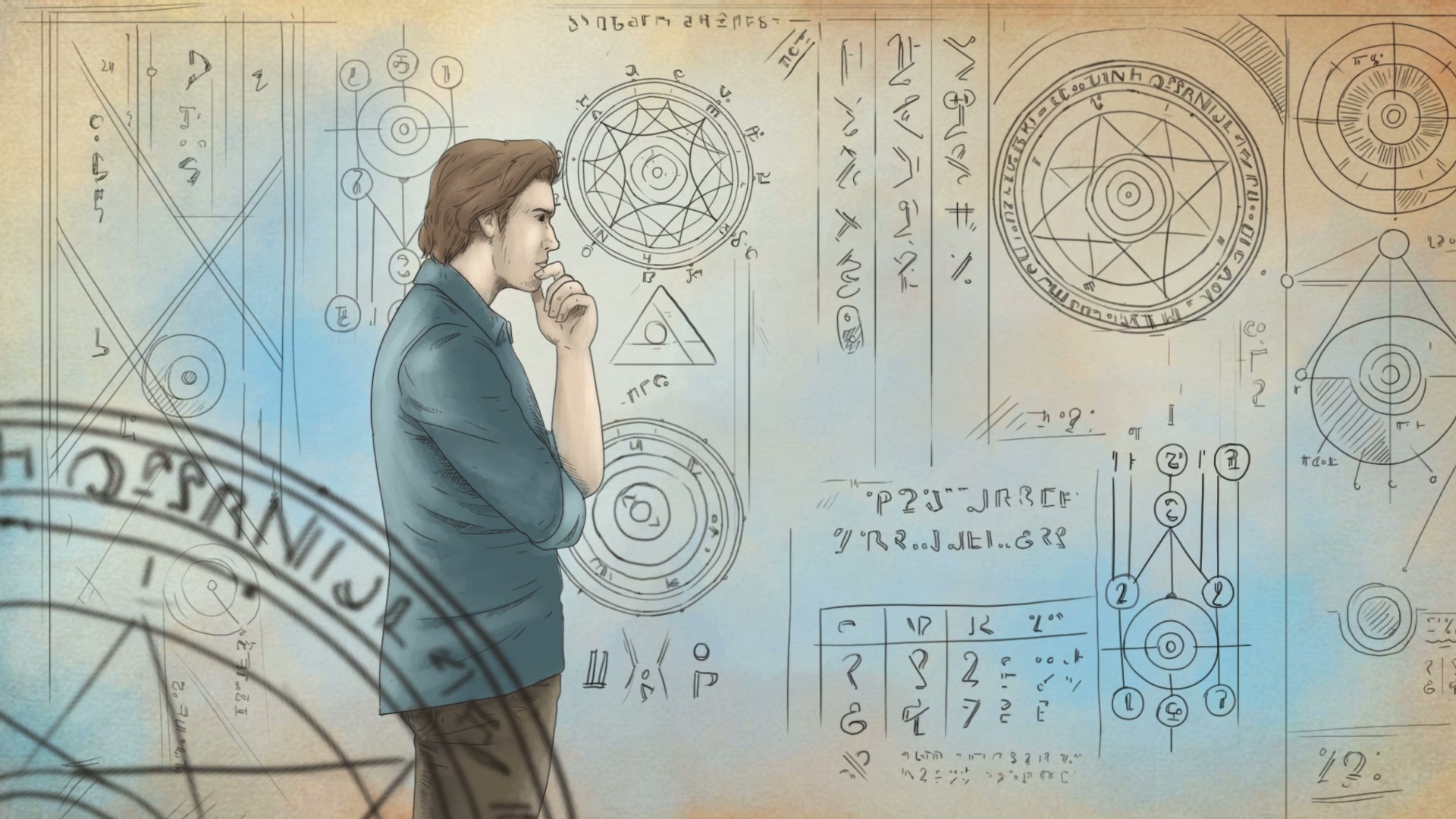
Puzzle solving is both an art and a science. In this post, we'll explore key techniques that can help you approach puzzles more effectively, with special attention to interpreting quest descriptions, often the first step in any treasure hunting adventure.
Effective Puzzle-Solving Strategies
Start with the Obvious
Before seeking complex solutions, look for the simplest explanation. Note any clear instructions, familiar patterns, or highlighted elements that stand out.
Look for Patterns
Train your eye to spot repetitions, sequences, and relationships. These might be numerical (Fibonacci, primes), alphabetical (Caesar shifts, acrostics), visual (symmetry, shapes), or conceptual (categories, themes).
Work Backwards
Sometimes starting with the end goal and working back to the beginning reveals pathways you might otherwise miss. This works well when the desired outcome is clearly defined.
Break It Down
Complex puzzles become manageable when broken into smaller components. Identify discrete sub-puzzles and tackle them individually to make steady progress.
Use External References Wisely
Many puzzles reference external knowledge. Research specific places, people, or unusual terms mentioned, but avoid going down research rabbit holes.
Reading Quest Descriptions
Quest descriptions contain vital information, subtle hints, and sometimes deliberate misdirection. Here's how to extract maximum value:
Multiple Readings
First, absorb the overall narrative. Then focus on specific instructions, unusual phrasing, and finally consider what might be implied but not stated directly.
Identify Key Elements
Look for these components in quest descriptions:
- Narrative context: The story setting that frames the puzzle
- Explicit instructions: Clear directions about what to do
- Constraints: Limitations or rules you must follow
- Success criteria: How you'll know when you've solved it
- Hints: Subtle clues pointing toward the solution
Language Matters
Pay attention to word choice, unusual vocabulary, words with multiple meanings, repeated phrases, and literary devices often contain hidden clues.
When You're Stuck
Collaborate
Different perspectives can unlock stubborn puzzles. Explain the problem to someone else or try to approach it from different thinking styles.
Document Your Process
Keep track of attempts, discoveries, and dead ends to prevent repeating unsuccessful approaches and to identify patterns in your solving process.
Take a Break
Step away when you've been staring at the same problem too long. Solutions often appear when you return with fresh eyes and a rested mind.
Conclusion
The most satisfying puzzles are those that seem impossible until everything clicks into place. That moment of revelation, when confusion transforms into clarity, is what makes puzzle solving so rewarding.
So the next time you're faced with a perplexing quest description, remember: read carefully, look for patterns, break it down, and don't be afraid to think laterally. The solution is waiting to be discovered.